Showing posts with label Norfolk. Show all posts

Monday, 29 May 2023

(5) Norfolk Cathedral


Stone comes from Normandy brought to Yarmouth then transported here.
Ceiling was built in 1460/1480 Medival as original wood ceiling burnt down
In 1272 the locals rioted and damaged the cloisters
Ceiling 75 ft
The tell the story of bible from east to west

Bishop Richard Nykke during Henry Viii. He was a Catholic and didn't agree to Christianity. Monks would worship in cathedral

Graffiti can be found in the porches of church entrances

Norwich is the largest city

St Nicholas at Yarmouth is the biggest parish church in Britain

West window is copy of window in Westminster
Glass is dated 1854
Reds and blues stand out
The willow is a peace angel

There are 31 churches in Norfolk more than any other city in uk

The spire is 2nd tallest sailsbury is tallest

The bishops thrown is 300 years old.

1578 queen Elizabeth 1st visited the church

The alter art is 1382 oldest Medival art anywhere

In 1643 Cromwell distroyed everything and used as solidors barrocks.

The rolo originates from Norfolk

The organ was re built in Durham and cost 1.8m to restore

The cathedral was used by 60 monks


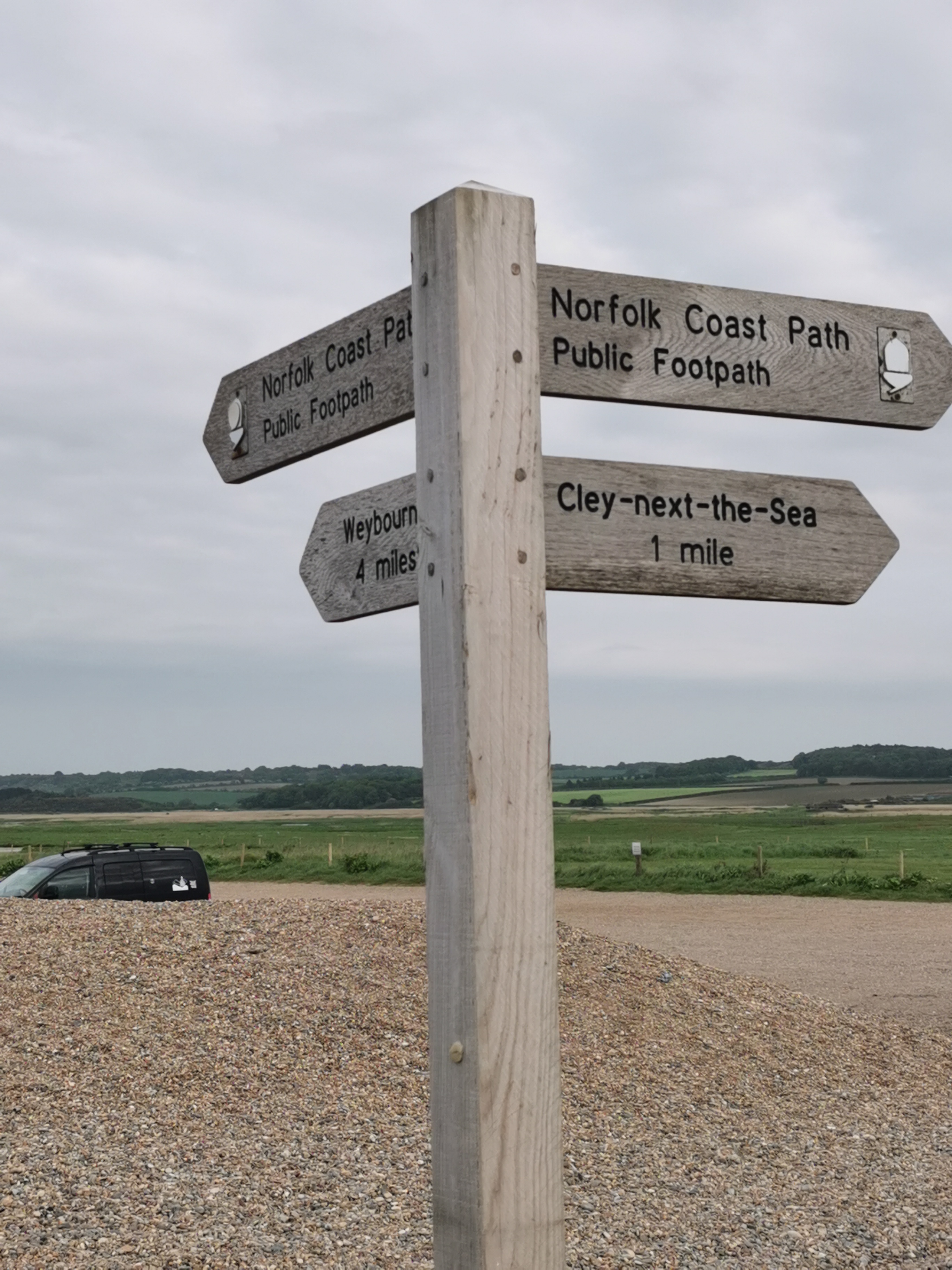
(2) Sheringham Museum & Cley by the sea RSPB Reserve and beach.


The Herring Girls

From the mid 1800s through to the 1950s herring was a vital catch which enriched the nation. It provided a valuable source of employment for fishermen and gutting girls, who prepared and salted the catch.

The herring shoals were fished in the winter and spring on the East Coast of Scotland. The herring girls followed the fleet as the shoals moved to the North Coast of Scotland and Shetland in the summer and down to the East Anglian Coast in autumn.

From as far away as the Outer Hebrides and the Shetland Isles came the girls that would travel the length of the country to gut and prepare the precious catch. They would pack their trunks and board chartered trains to take them to the ports. They began to follow the fishing fleet from the age of 15.

Dressed in long skirts, aprons, jumpers, head scarves and wellington boots the herring girls would begin work on the quayside at 6 a.m. Singing in Gaelic and wielding sharp knives they could gut a fish a second. They would bind their hands to protects themselves from cuts, but the salt that preserved the fish would certainly hurt their hands. The girls worked in teams of three - two gutting the fish and the tallest girl grading and filling the barrels. At 8 a.m. they could break for a bowl of porridge and a cup of tea and then they worked through the day until they finished at 6 p.m.

It was hard work but it meant freedom from the traditional role of wife and mother. Working in the day and socialising in the evening the 'herring lasses' lived life on their own terms. Their wages were low but they bought gifts for their families at home to remind them of their travels mementos like - dishes with the names of the ports like Great Yarmouth and Lowestoft.